Budondo Malaria Project
Empowering Communities for a Malaria - Free Future
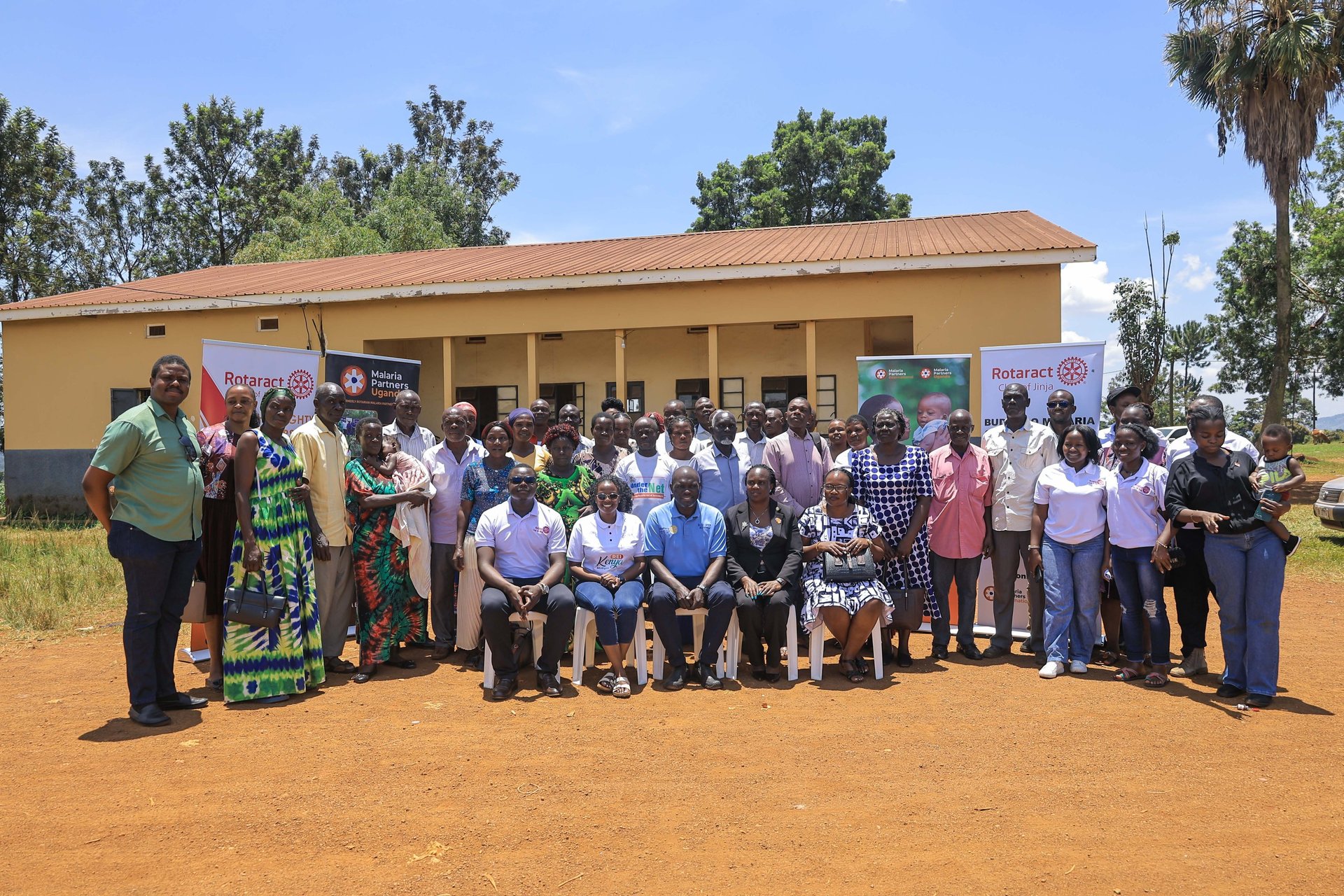
The Budondo Malaria Project is an initiative of the Rotaract Club of Jinja that seeks to reduce the prevalence of malaria and its associated fatalities in Budondo Sub County, Jinja District.
The project takes a holistic and community-driven approach that combines prevention, early diagnosis, treatment, and economic empowerment. It integrates health education, local innovation, and traditional knowledge to foster lasting behavioral and social change.
Context
Malaria remains a leading cause of illness and death in Budondo, affecting families, schools, and livelihoods. Despite ongoing health interventions, many communities continue to suffer from high infection rates due to limited awareness, poor health-seeking behaviors, and deep-rooted myths. In several villages, malaria is still perceived as a form of witchcraft rather than a preventable disease. This misconception often delays medical attention, resulting in severe illness and avoidable deaths.
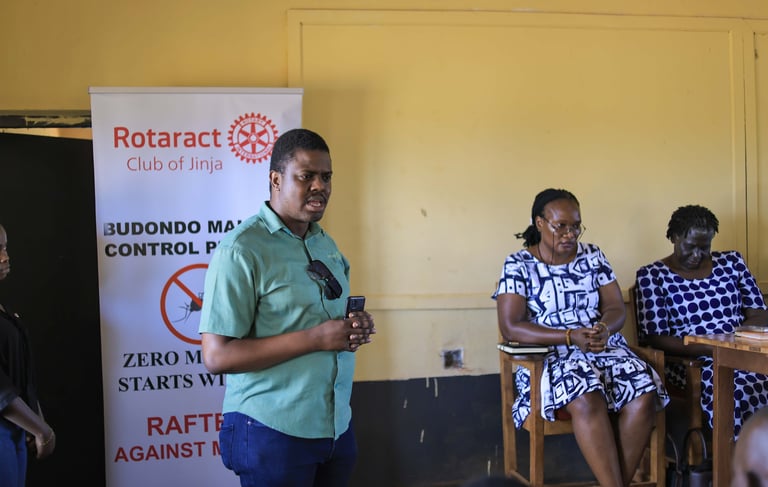
The Budondo Malaria Project addresses these barriers by engaging local leaders, elders, and traditional influencers to dispel myths and bridge the gap between cultural beliefs and modern healthcare. Through dialogue, sensitization, and demonstration, the project fosters a new mindset that encourages timely testing, treatment, and preventive practices.
Our Approach
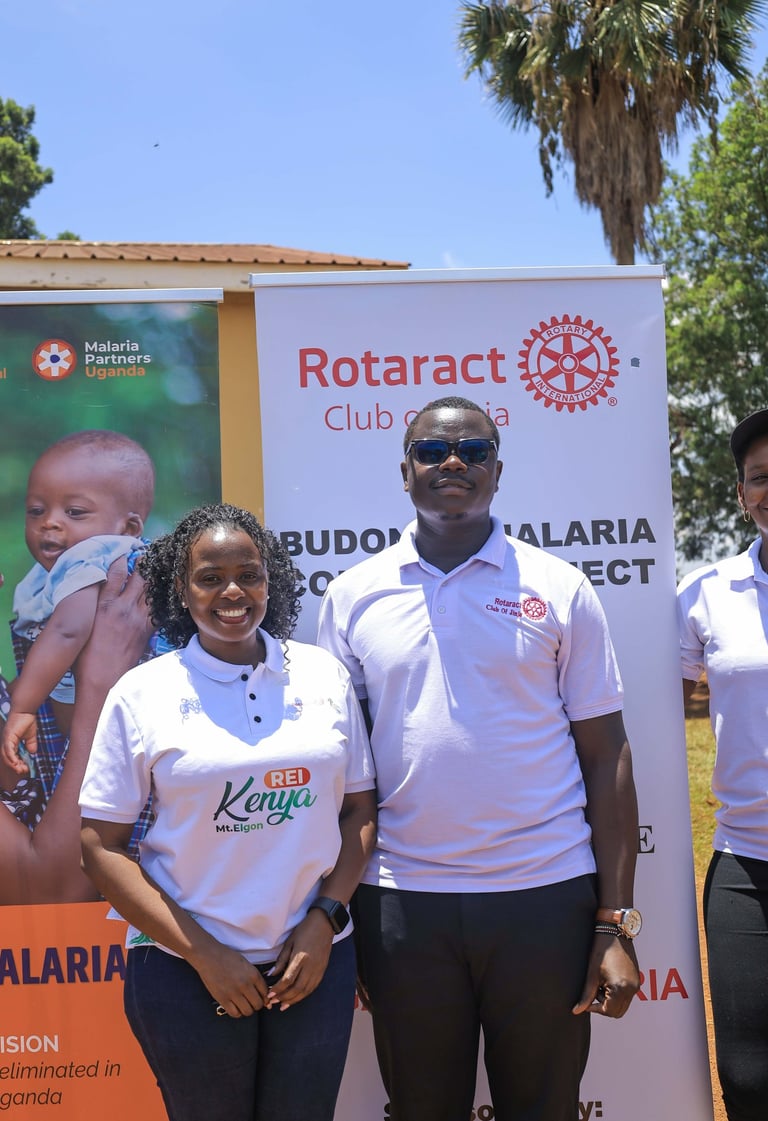
The project employs a participatory approach that blends scientific knowledge with local experience. Working with Village Health Teams (VHTs), community leaders, and local pharmacies, the project promotes the 'Test Before Treatment' model to reduce self-medication and improve accurate diagnosis. Through partnerships with the District Health Office and the Ministry of Health, access to rapid diagnostic test kits and mosquito nets is enhanced, strengthening community resilience against malaria.
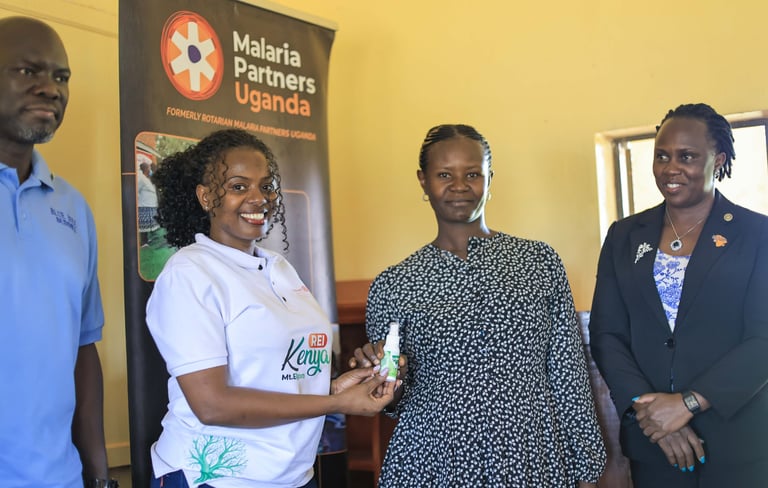
In parallel, the project integrates economic empowerment by supporting existing Village Savings and Loan Associations (ebibiina) and forming new groups of up to 15 members. These groups, composed mainly of women, are trained to produce mosquito-repellent jelly and scented candles using local herbs. The initiative provides both income opportunities and community-based mosquito prevention solutions, creating a dual impact on health and livelihoods.
Key Activities
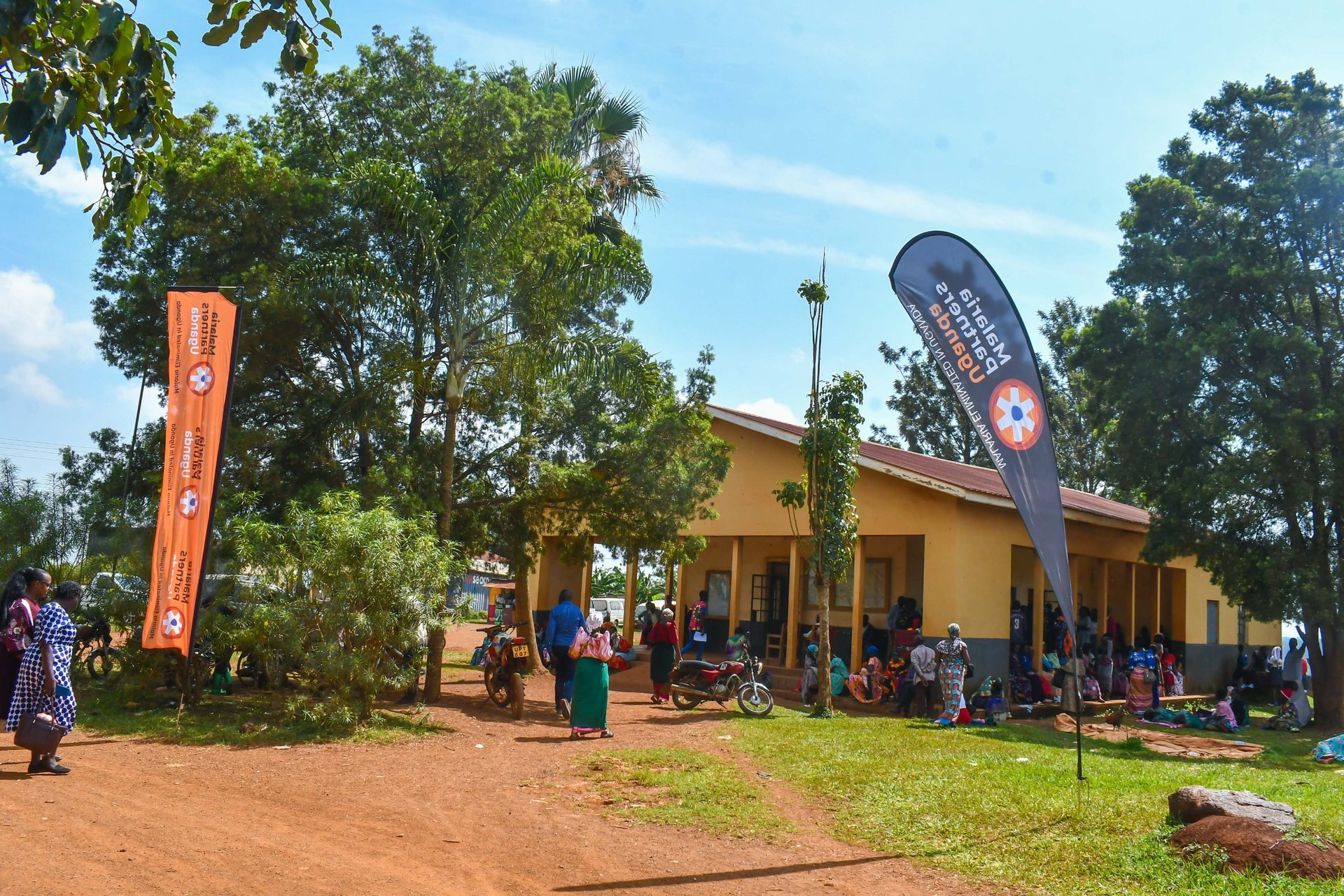
·Conducting community sensitization campaigns through radio programs, public dialogues, and visual communication tools.
Training Village Health Teams and 10 drug outlet owners in malaria testing, treatment, and community surveillance.
Partnering with five local pharmacies to promote malaria testing before medication distribution.
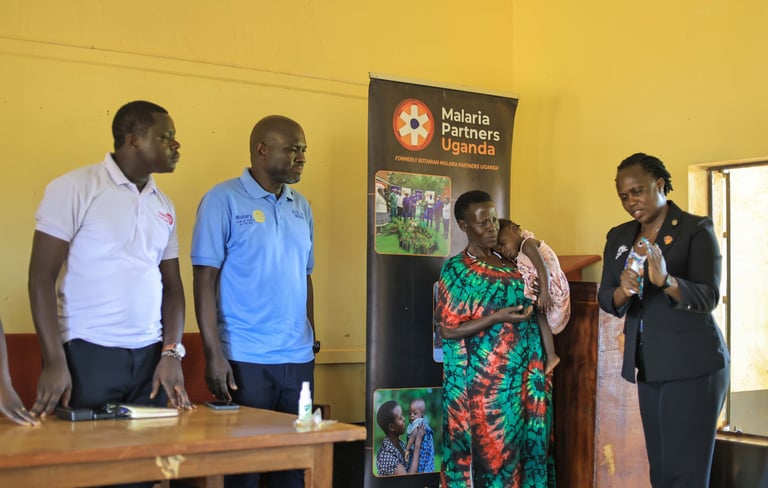
Supporting 75 women through VSLA-based training in herbal jelly and candle production for income generation and household protection.
Distributing mosquito nets and rapid diagnostic test kits to vulnerable households across Budondo.
Hosting traditional knowledge-sharing sessions to dispel myths around malaria and strengthen trust in medical treatment.
Expected Results
By March 2026, the Budondo Malaria Project aims to reach over 1,000 residents with accurate malaria prevention and treatment information, empower 75 women entrepreneurs through economic activities, and establish strong partnerships with health providers and pharmacies. The project expects a reduction in malaria-related self-medication, improved testing behavior, and a significant shift in community perception linking malaria to preventable causes rather than witchcraft.
Alignment with Rotary Priorities
The project aligns with Rotary’s Areas of Focus on Disease Prevention and Treatment, Maternal and Child Health, and Community Economic Development. It embodies Rotary’s values of service, integrity, and sustainability by combining education, empowerment, and evidence-based intervention to achieve long-term impact in Budondo.
Get Involved>
The Rotaract Club of Jinja invites partners, sponsors, and individuals to join this transformative effort. Together, we can empower families, challenge myths, and create healthier communities where no life is lost to malaria.
Connect
Join us in making a difference today!
Impact
Community
+256 757 769293
© 2025. All rights reserved.